
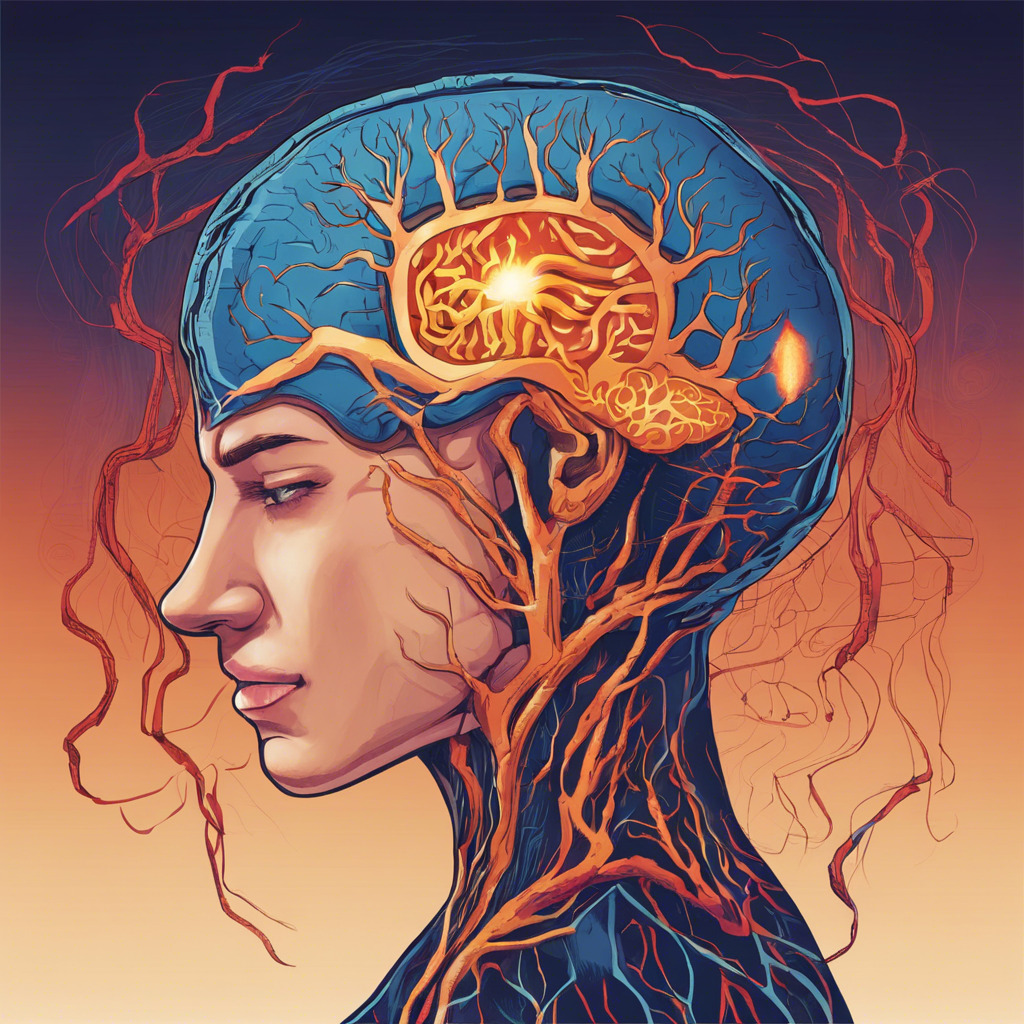
When discussing neurological differences, it’s important to understand the difference. One one side are neurodivergent people and on the other are neurotypical people. Neurodivergent people’s brains function in atypical ways. They differ from the typical or “normal.” This can include conditions like autism, ADHD, dyslexia, and other neurodevelopmental disorders.
In contrast, neurotypical people have brains that work in typical ways. Society sees these ways as normal. They don’t have any brain disorders. Their thinking falls within the expected range.
Neurodivergence isn’t a defect or a weakness. It’s just a different way of processing information and interacting with the world. In fact, many neurodivergent individuals have unique strengths. These strengths are useful in areas of life. They include problem-solving, creativity, and attention to detail.
However, people who are neurodivergent may also face challenges. These are in social situations, communication, and executive functioning. Understanding and support from neurotypical people are crucial. They help create an inclusive and understanding environment for everyone.
Remember, neurodiversity is a natural part of human variety. All people have value. This is true no matter their neurological differences. They have something to offer to society. We can recognize and embracing the differences between neurodivergent and neurotypical people. This will help us create a more inclusive world for all.